
DIY Composting: Turn Kitchen Scraps into Garden Gold

Composting is a fantastic way to reduce waste and create nutrient-rich soil for your garden. Whether you live in a small apartment or a large house with a yard, starting a compost pile can be an accessible and rewarding project. In this guide, we will explore the benefits of composting, simple steps to get started, and practical tips for turning kitchen scraps into garden gold.
Why Compost? The Environmental Benefits
Composting offers numerous environmental benefits. It reduces the amount of waste sent to landfills and lowers greenhouse gas emissions. According to the Environmental Protection Agency (EPA), about 30% of the household waste that we throw away can be composted. By composting your kitchen scraps, you are not only helping the environment but also contributing to sustainable practices in your community.
Building a compost heap encourages biodiversity by creating habitats for beneficial microorganisms. These microorganisms break down organic matter, which enriches the soil and promotes healthy plant growth. Additionally, composting helps conserve water by improving soil structure, allowing it to retain moisture better.

Getting Started: What You Need to Know
Before diving into composting, it’s important to understand the basic components needed for a successful compost pile. You will need:
Container or Bin: You can purchase a compost bin or create one using simple materials like wood pallets or chicken wire. If you have limited space, a small indoor composting system is also an option. If you do not have the materials needed, you could even start a crude pile in the corner of a garden bed.
Green and Brown Materials: Composting requires a mix of green materials (nitrogen-rich) and brown materials (carbon-rich). Green materials include fruit and vegetable scraps, coffee grounds, and grass clippings. Brown materials include dry leaves, twigs, and shredded newspaper, paper or cardboard scraps.
Air and Moisture: For effective composting, it’s important to aerate the pile occasionally. This can be done by turning the compost regularly. Additionally, keep the pile moist but not soggy, similar to a damp sponge.

Simple Steps to Start Composting at Home
Getting started with composting is easier than you might think. Follow these simple steps to create your compost pile:
Step 1: Choose Your Location
Select a dry, shady spot in your garden or yard to set up your compost bin. This location should be easily accessible, allowing you to add scraps and turn the compost easily.
Step 2: Collect Your Materials
Begin collecting both green and brown materials. Start with kitchen scraps like vegetable peels, fruit cores, and coffee grounds for green materials. For brown materials, gather dried leaves, cardboard, or paper products. Avoid adding meat, dairy, and oily foods, as they can attract pests.
Step 3: Layering Your Compost
To create a balanced compost pile, layer your materials. Start with a layer of browns (about 6 inches), then add a layer of greens (3-4 inches). Continue to alternate between green and brown layers, ensuring the pile stays well-aerated.
Step 4: Maintain Your Compost
Turn your compost every few weeks to introduce air, which will speed up the decomposition process. Ensure that the pile stays moist, especially during dry seasons. If your compost appears dry, sprinkle it with water until it reaches a damp consistency.
Step 5: Dig for Worms!
Raid your garden beds for earthworms or ask your friends and family if you can raid theirs. Earthworms help to break the scrap heap down into usable compost. You can also get "worm farms" or "worm bins" to order from some gardening suppliers.

Step 6: Harvest Your Compost
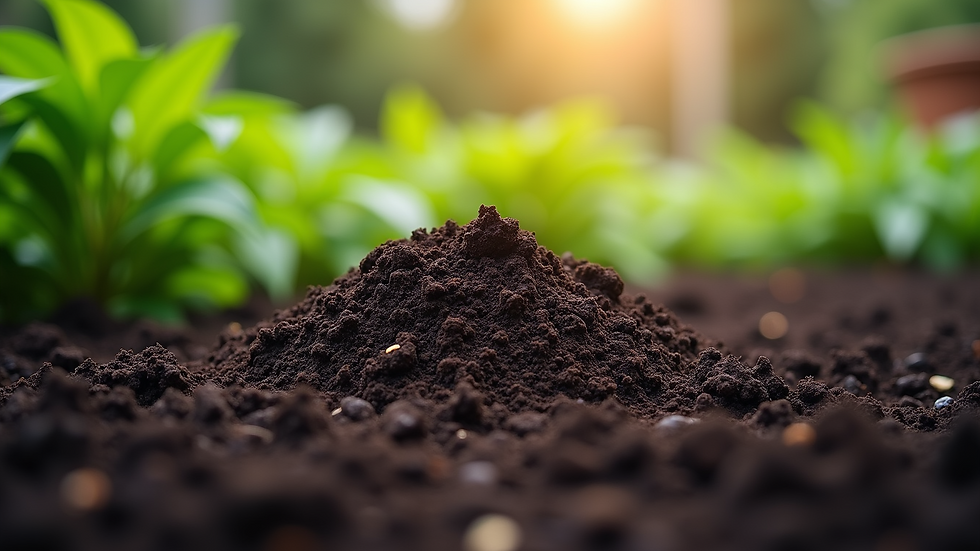
Your compost will be ready in approximately 3 to 6 months, depending on factors like temperature and moisture. It’s ready when it is dark, crumbly, and has an earthy smell. Once finished, use your nutrient-rich compost to enrich your garden soil.
Tips for Successful Composting
Setting up a compost bin is just the beginning. Here are some helpful tips to ensure your composting efforts are successful:
Balance is Key: Make sure to maintain the right balance of green and brown materials. A ratio of 2:1 for greens to browns is a great starting point.
Cut Materials Into Smaller Pieces: Chopping or shredding scraps into smaller pieces allows them to decompose more quickly.
Avoid Pests: Regularly turning your compost and avoiding meat, dairy, and fats will help keep pests at bay.
Compost in Layers: Always start with a layer of coarse materials to promote drainage, then add your kitchen scraps and cover them with brown materials to help eliminate odors.
Keep a Compost Journal: As a beginner, documenting your composting process can help you track what works and what doesn’t. Note the materials used, the time taken for decomposition, and any challenges faced.

The Joy of DIY Composting
DIY composting is an exciting journey that not only benefits the environment but also enhances your gardening experience. As you watch your kitchen scraps transform into rich compost, you’ll gain valuable insights into organic gardening practices. The satisfaction of using your own compost can be incredibly rewarding.
You can even expand your composting efforts by encouraging neighbors to join in, creating a community composting system. Sharing compost-making tips and techniques fosters a stronger bond among community members and emphasizes the importance of eco-friendly practices.
Start your composting journey today and experience how turning kitchen scraps into garden gold positively impacts both your plants and the planet!
For more comprehensive information on composting, check out the resources available on the EPA's composting guide.
You're now ready to take the first step in your DIY composting adventure! Embrace the practice and enjoy the wonders of nature as you nurture your garden while being eco-friendly. Happy composting!


Comments